Siyeh Pass: Essential Planning Tips for Your Epic Glacier NP Day Hike
Glacier National Park is renowned for its breathtaking landscapes, and among its myriad trails, the Siyeh Pass stands out as a true gem. This strenuous day hike promises an unforgettable journey through diverse terrain, culminating in panoramic alpine vistas, glacier glimpses, and vibrant wildflowers. However, its epic rewards come with significant challenges, making meticulous planning essential for a safe and enjoyable adventure. If you're an experienced hiker seeking to push your limits and immerse yourself in the wild heart of Glacier, Siyeh Pass should undoubtedly be on your bucket list.
An Epic Journey Awaits: Why Siyeh Pass is a Must-Do
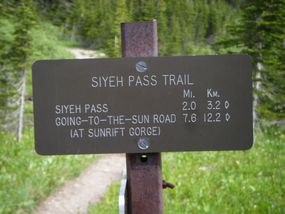
The allure of the Siyeh Pass Trail lies in its dramatic transformations and unparalleled scenery. Spanning approximately 10.3 miles point-to-point from Siyeh Bend to Sunrift Gorge, or a shorter 4.7 miles one-way to the pass itself, this route packs an incredible punch. Hikers will ascend roughly 2,135 to 2,300 feet, reaching a maximum elevation of 8,080 feet, experiencing everything from dense hemlock forests to expansive alpine meadows.
Imagine traversing through Preston Park, a subalpine paradise bursting with wildflowers in mid-summer, before climbing towards the exposed ridgelines where glimpses of ancient glaciers can be caught. Wildlife sightings are common along the meadows and basins, with mountain goats, bighorn sheep, and even bears frequently spotted. The dramatic scenery, coupled with the sense of accomplishment, makes Siyeh Pass one of the most rewarding Glacier National Park hikes. For a deeper dive into the trail's unique features, explore
Experience Siyeh Pass: Glacier NP's Best for Wildflowers, Glaciers & Vistas.
The trail's diversity also includes refreshing stream crossings, dramatic waterfalls, and sections showcasing the resilience of nature after forest fires, offering a dynamic visual narrative throughout your trek. While challenging, the ever-changing landscape ensures there's never a dull moment on this incredible route.
Mastering the Logistics: Planning Your Siyeh Pass Day
Conquering Siyeh Pass requires more than just physical stamina; it demands strategic logistical planning. This is typically a 6-9 hour day, best done as a point-to-point hike to optimize elevation gain and loss.
Parking and Shuttle Strategy
*
Limited Parking: The Siyeh Bend Trailhead has very limited parking spots along the Going-to-the-Sun Road. To secure a coveted space, plan to arrive by 7:00-8:00 AM at the latest, especially during peak season (July-August).
*
The Free Glacier Shuttle: The Glacier National Park shuttle system is your best friend for Siyeh Pass. It's highly recommended to utilize the free Going-to-the-Sun Road shuttle, which connects Siyeh Bend and Sunrift Gorge.
* **Point-to-Point Advantage:** Starting at Siyeh Bend and ending at Sunrift Gorge means you'll experience a net elevation loss of approximately 3,400 feet, which is significantly easier on the knees than the reverse direction (which would add an extra 1,200 feet of uphill climbing).
* **Shuttle Logistics:** Park at either Siyeh Bend (if early enough) or Sunrift Gorge, then use the shuttle to get to your starting point. Alternatively, park at a larger lot further down Going-to-the-Sun Road and shuttle in. Be sure to check the shuttle schedule and factor in wait times.
*
Two-Vehicle Strategy: If hiking with a group, staging two vehicles at each end (Siyeh Bend and Sunrift Gorge) offers the most flexibility, though it requires more coordination.
Going-to-the-Sun Road Vehicle Reservations
*
Crucial Access: Between late May and early September (dates vary slightly year-to-year), a Going-to-the-Sun Road Vehicle Reservation is required for access between 6:00 AM and 4:00 PM. This is non-negotiable for reaching the Siyeh Bend or Sunrift Gorge trailheads.
*
How to Reserve: Reservations are released on Recreation.gov. These slots fill up extremely fast, so plan well in advance and be prepared to book precisely when they become available. Without a reservation, you will not be able to access this section of the road during the restricted hours.
On the Siyeh Pass Trail: What to Expect & How to Prepare
Siyeh Pass is rated strenuous to challenging, making it suitable only for experienced day hikers with strong endurance. Beginners or those with mobility limitations should opt for less demanding Glacier NP trails.
Trail Profile and Terrain
*
Elevation Gain: Expect a steady and significant climb of 2,135-2,300 feet. The trail includes long, uphill sections that will test your stamina.
*
Exposed Ridges and Scree: Higher elevations expose hikers to broad mountain country, often windy ridgelines, and sections of loose scree. Footing can be tricky, requiring careful attention and sturdy footwear.
*
Snow in Summer: Snow can linger into mid-summer, creating slippery conditions and potentially obscuring parts of the trail near the pass. Trekking poles are invaluable here for balance and stability.
*
Route Finding: While generally well-marked, trail markers can be sparse in high elevations. Carrying a physical map and knowing how to interpret it is crucial, as some sections may require basic cross-country navigation skills. Do not rely solely on your phone, as service is non-existent.
Physical and Mental Preparation
*
Endurance Training: Prioritize hikes with significant elevation gain and distance in the weeks leading up to your Siyeh Pass adventure. You should be comfortable with 6-9 hour hiking days.
*
Footwear: Invest in sturdy, broken-in hiking boots with good ankle support and aggressive traction.
*
Hydration & Nutrition: Carry at least 2-3 liters of water. While Siyeh Creek and other creeks offer water sources, always filter or treat it before drinking. Pack plenty of high-energy snacks and a substantial lunch.
Safety First: Navigating the Challenges of Siyeh Pass
The wild beauty of Glacier National Park also means inherent risks. Prioritizing safety is paramount for a successful Siyeh Pass hike.
Bear Safety
*
Carry Bear Spray: Bear encounters are possible in the meadows and basins. Always carry bear spray in an easily accessible holster, know how to use it, and travel in groups.
*
Make Noise: Be loud on the trail, especially around blind corners or dense vegetation, to avoid surprising wildlife.
*
Stay Aware: Be vigilant for signs of bear activity (scat, tracks) and be particularly cautious when wind shifts might obscure your scent or sound.
Weather and Environmental Hazards
*
Lightning Risk: With significant elevation gain, the risk of lightning increases rapidly. Check the weather forecast meticulously before starting, and if thunderstorms are predicted, postpone your hike or turn back before reaching exposed areas. An early start helps you clear high elevations before afternoon storms typically roll in.
*
Sun Exposure: Much of the trail, especially the upper sections, is exposed. Bring ample sun protection: sunscreen, sunglasses, and a wide-brimmed hat.
*
Steep Drop-offs: The ascent includes sections with steep drop-offs. Maintain focus, watch your footing, and avoid unnecessary risks, especially on narrow ledges.
Essential Gear & Tips for a Rewarding Siyeh Pass Experience
*
Layered Clothing: Mountain weather is notoriously unpredictable. Pack layers, including a waterproof/windproof outer shell, even on a sunny day. Temperatures can drop significantly at higher elevations.
*
Navigation Tools: A physical map and compass (and the knowledge to use them) are essential. A GPS device or app (with downloaded offline maps) is a good backup but not a primary tool.
*
First-Aid Kit: A comprehensive kit for blisters, minor cuts, and emergencies is non-negotiable.
*
Camera Gear: The photo opportunities are endless – from alpine meadows to ridgelines and the Siyeh Creek scree fields. For best light, aim to shoot from higher switchbacks during dawn or dusk if conditions allow.
*
Leave No Trace: Pack out everything you pack in. Stay on designated trails, respect wildlife, and leave the natural environment as you found it.
Remember, Siyeh Pass is not recommended for young children due to its length and exposure, and dogs are not allowed on any trails in Glacier National Park. While challenging,
Siyeh Pass Trail: Glacier NP's Challenging Gem with Unforgettable Views truly delivers on its promise of an epic adventure, making every challenging step worth the effort.
Conclusion
Embarking on the Siyeh Pass day hike is a profound way to experience the raw grandeur of Glacier National Park. With its demanding elevation, exposed terrain, and variable conditions, it requires careful preparation, a sturdy mindset, and a deep respect for the wilderness. By planning your logistics, understanding the trail's demands, and prioritizing safety, you'll be well-equipped to tackle this challenging yet immensely rewarding trek. The panoramic views, vibrant wildflowers, and a profound sense of accomplishment waiting at Siyeh Pass make it an experience you'll cherish long after your boots are off.